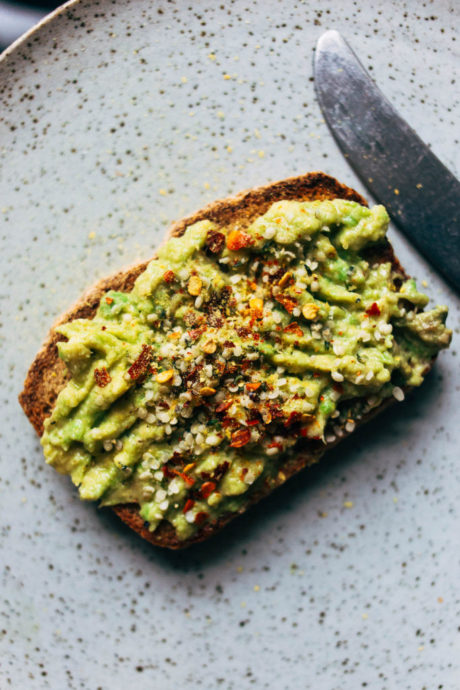
Gluten Free Sourdough
To make your own gluten-free starter, follow this recipe
Servings: 8
Equipment
- Measuring spoon
- Kitchen scale
- Mixing bowl
- Parchment paper
- Loaf pan
- Towel
- Dutch oven
- Wire rack
Ingredients
- 1 tablespoon gluten-free starter
- 30 grams flour to feed the starter either rice, sorghum, millet, and buckwheat
- 30 grams psyllium husk not the powder
- 8 grams salt
- 575 grams water plus 30 grams to feed the starter
- 460 grams flour I like to use 115g each rice flour, sorghum flour, millet flour and buckwheat flour
Instructions
Starter
- Feed your starter!The morning of your mix, take out a tablespoon of your starter from the fridge and feed it about 30 grams of flour (I used millet) and 30 grams of room temperature water. Cover and let ferment for around 12 hours. Ideally, this would happen at 7 a.m.
- After the starter is nice and active, measure out 70 grams of it (you'll probably have a smidge more) along with the rest of your ingredients. Gather together a bowl for mixing and either a parchment-lined loaf pan or a lightly greased bowl.
Making the Loaf
- To assemble the loaf, add the 575 grams water to the bowl along with the starter. Using your hands, move the starter around to help it dissolve into the water. Add the flour, salt, and psyllium husk and work the dough together really quickly. Once the psyllium hits the liquid it will jell up, so you want to mix all the ingredients together before that happens. As there is no gluten in this bread, you don't have to worry about over-mixing. Ideally, this mixing would happen at 7 p.m. if you fed the starter (step 1) at 7:00 a.m.
- Next, move your dough to either a parchment-lined loaf pan (for a sandwich loaf) or a greased bowl (for around). Cover with cling film or a damp towel and let rest on the counter for about 12 hours.
Baking the loaf
- The next morning: If you're baking a loaf pan, preheat your oven to 260°C (500°F). Once the oven is preheated, uncover your loaf and pop into the hot oven. Once the loaf is in the oven turn down the heat to 230°C (450°F) and bake for about 50 minutes, or until hollow sounding when tapped. Carefully remove the loaf from the pan and let cool on a wire rack.
- If you're baking around, take one of the racks out of your oven to create space. Place your Dutch oven in the oven and preheat it to 260°C (500°F) (or as hot as your oven can go, up to 500°F). After the oven has come to temperature, let it heat for another 30 minutes to get the Dutch oven fully heated. After the 30 minutes is up, gently invert the dough onto a piece of parchment paper that is large enough to lift your bread into the Dutch oven. Working fast, take your Dutch oven out of the oven carefully. Remove the lid and gently lift the parchment and bread into the pot, being super careful not to touch the sides. Cover the pot with the lid (be careful, it’s hot!) and put the entire dutch oven back into the oven. Turn down the heat to 230°C ( 450°F ) and bake for 30 minutes. After 30 minutes is up, gently take the lid off of the dutch oven (be careful of steam) and bake for another 20- 25 minutes (I like mine a little darker, personally). Once cooked, remove the pot from the oven and gently lift out the loaf by lifting the parchment paper.
Cooling
- Both loaves will be moist (much like a rye loaf), so I recommend letting it cure (or rest) on the counter for one day before slicing. It can be sliced the same day but will be a little softer. Like all gluten-free bread, I recommend toasting this loaf for optimum flavour and texture. Once sliced, it freezes and toasts from frozen great!
Notes
I like to use 115 gram each rice flour, sorghum flour, millet flour and buckwheat flour, but feel free to play around with what you have at home.